

Research
Research Excellence and Leadership at the School of Nursing
Professor Doris Yu Sau-fung | Professor and Chair of Research, and Research Teams
Research at the HKU School of Nursing aims to develop interdisciplinary innovations, engage globally, and create transformative impacts. Our work is organised around four pillars—thematic research clusters, global partnerships, research capacity optimisation, and research translation—that seek to address pressing health challenges, advance the United Nations’ Sustainable Development Goals (SDGs), and cement our role as a global leader in nursing science.
Strategic Thematic Clusters for Global Impact
The School pioneers interdisciplinary research in two key areas – ageing and chronic care and primary care and behavioural health – that are aligned with SDG3 (health), SDG10 (reducing inequality), and SDG13 (climate action). Through integrating eHealth, advanced care models, technology-enhanced interventions and AI-powered health solutions, we have developed innovations such as mobile-health strategies to enable smoking cessation, AI-based cardiovascular risk diagnostics, and WHO-ICOPE healthy ageing initiatives to directly address population health disparities and high priority health threats. These efforts have helped to improve patient-centred clinical outcomes and advance health systems to optimise population health.
Amplify Global Research Network and Inter-disciplinary Research Partnerships
The School has formalised partnerships with top-tier institutions, such as New York University, Yale University and Harvard Medical School, through MOUs and research fellowship schemes. Our network spans 18 countries/regions. Over 80% of our early-career scholars have pursued fellowships at institutions like Harvard and Oxford to strengthen their expertise in cancer care, aged care and global health.
A major component in our global engagement is the Asia-Pacific Qualitative Health Research Network (AQUHN)—a first-of-its-kind international hub launched by the School in 2022 to revolutionise qualitative methodologies in nursing. With 17 university partners across 12 countries/regions, AQUHN has empowered 800 scholars through advanced training and equipped a new generation of researchers to tackle complex health challenges, positioning the School at the global epicentre of qualitative health research excellence and driving collaborations that yield actionable insights for underserved populations.
Faculty members also co-lead inter-disciplinary transformative research that is supported through competitive funding exercises such as the Research Impact Fund, Strategic Topic Grant and Collaborative Research Fund. They have achieved groundbreaking advances in preventive care and precision disease management – from AI-driven diagnostics to climate-resilient health strategies – and directly addressed urgent global priorities such as health equity, chronic disease burdens and planetary health.
The School’s annual Hong Kong International Nursing Forum and Inter-Institutional Research Mixers are also dynamic engines of innovation, bringing together global thought leaders, clinicians, and interdisciplinary experts. These platforms also fuel high-impact partnerships with institutions like Harvard, Oxford, and the World Health Organization, and bridge disciplines such as data science, behavioural health, and public policy, placing the School at the nexus of cross-border innovation and setting new benchmarks for scalable, evidence-based healthcare models.
Optimising Research Capacity
The School has had a remarkable surge in high-impact publications, including The Lancet and JAMA series, reflecting its amped-up research productivity and influence. This growth underscores our commitment to advancing nursing science with evidence-based findings and influencing clinical practice and global health policy.
Our research output involves cutting-edge big data and primary healthcare innovation through the HKU-HA Data Collaboration Laboratory and the Comprehensive Primary Healthcare Collaboratory. By harnessing AI, predictive analytics, and interdisciplinary expertise, we have delivered scalable solutions to pressing issues—from pandemic resilience to chronic disease management—with real-world impact across Hong Kong and beyond.
To ensure sustained excellence, the School has a rigorous grant evaluation ecosystem that integrates mandatory peer review, statistical counselling, and professional editing support. This meticulous approach has helped in securing competitive funding and ensures our proposals align with global health agendas and funder priorities.
The School also organises Research Retreats and Interdisciplinary Mixers that have been catalysts for ground-breaking innovations, through debates on emerging trends and policy and collaborative problem-solving.
Strategic Research Translation for Impact: Driving Systemic Change
The School has helped to shape public health policy and education and clinical protocols in Hong Kong through bold, territory-wide initiatives that bridge research, policy and practice. In recent years, we received a total $65 million in translational grants. A landmark achievement is our tobacco control research, which helped to persuade the Hong Kong government to introduce a total ban on alternative smoking products in 2022—a decisive policy victory to protect youth from nicotine addiction. Our interdisciplinary work in this area also gave rise to WHO-endorsed clinical guidelines, mHealth cessation tools, and medication sampling protocols that boosted quit rates by 22%. The findings now underpin global tobacco control strategies, positioning Hong Kong as a leader in evidence-based policymaking. In addition, our partnerships with governments, NGOs, and industry leaders have yielded pioneering models in chronic care, aged care, and family support systems—earning two prestigious Faculty Knowledge Exchange Awards for their impacts.
Leadership Beyond Academia
The School’s faculty have had roles in WHO climate-health initiatives, the American Academy of Nursing, and government panels on breastfeeding and elder abuse. Their leadership and engagement in professional organisations, grant review boards of the Research Grant Council and Government Bureaux, and international high-impact journals underscore the School’s commitment to academic excellence, nursing professional development and positive impacts in society.
In conclusion, the School of Nursing exemplifies research leadership through its strategic vision, global collaboration, and unwavering dedication to health equity. By merging innovation with real-world application and adhering to scholarly rigour, the School contributes to a healthier, more sustainable future and sets a gold standard for nursing leadership in the 21st century.
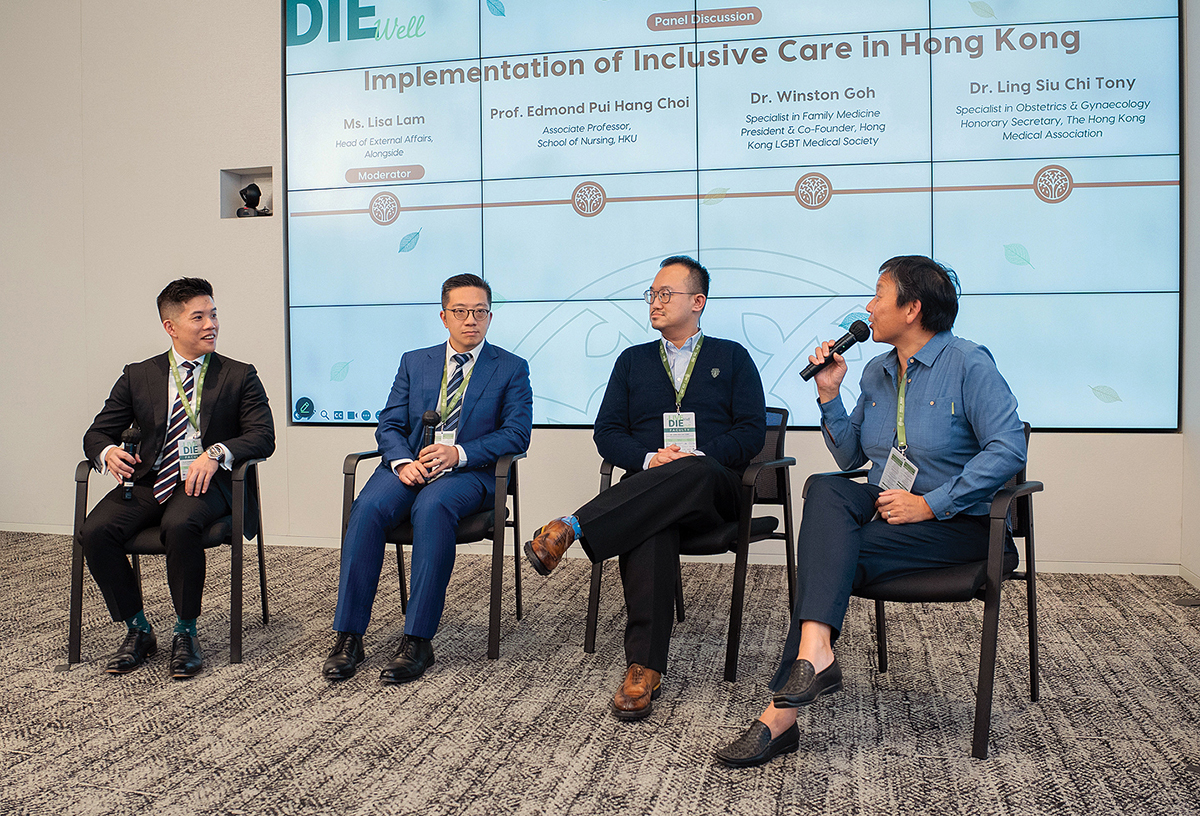
Community and Mental Health Nursing Research TeamThis group’s research has served a range of populations. Highlights include:
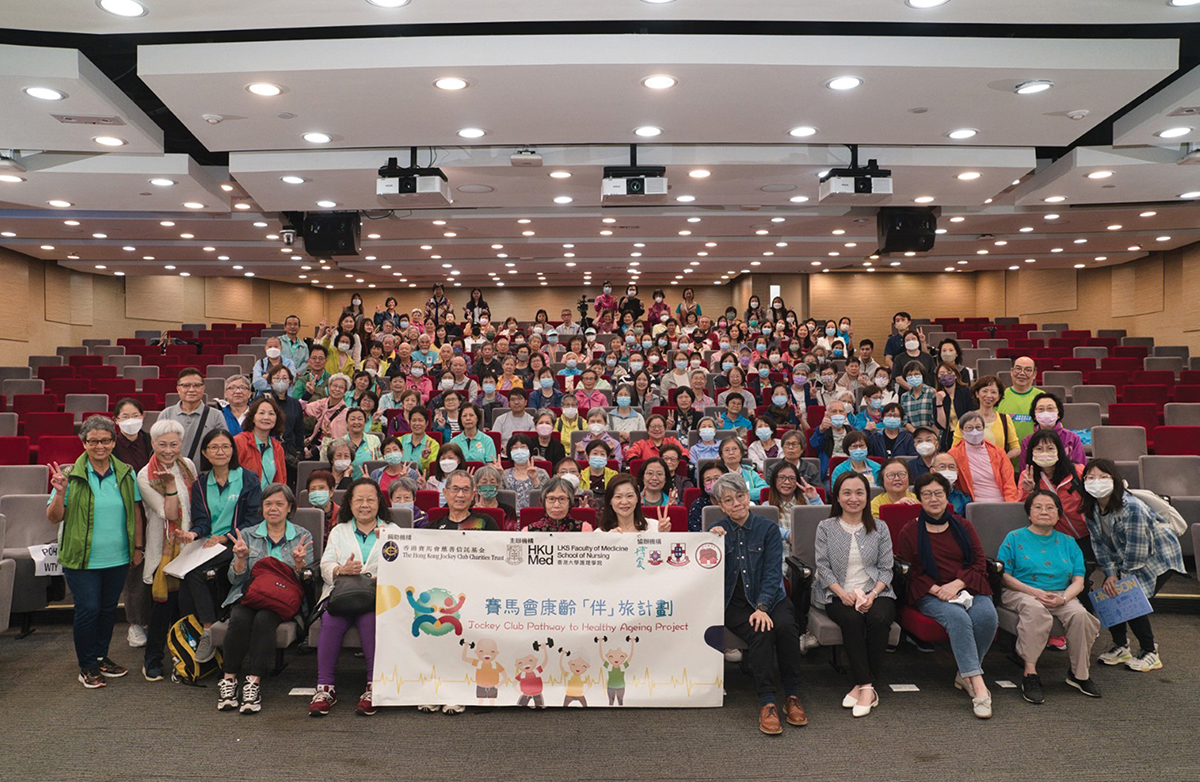
Gerontology and Long-Term Care Research TeamThis group has aligned its work with the UN Decade of Healthy Ageing to shape Hong Kong’s 2025 Elderly Services Blueprint and inform WHO guidelines. Highlights include:
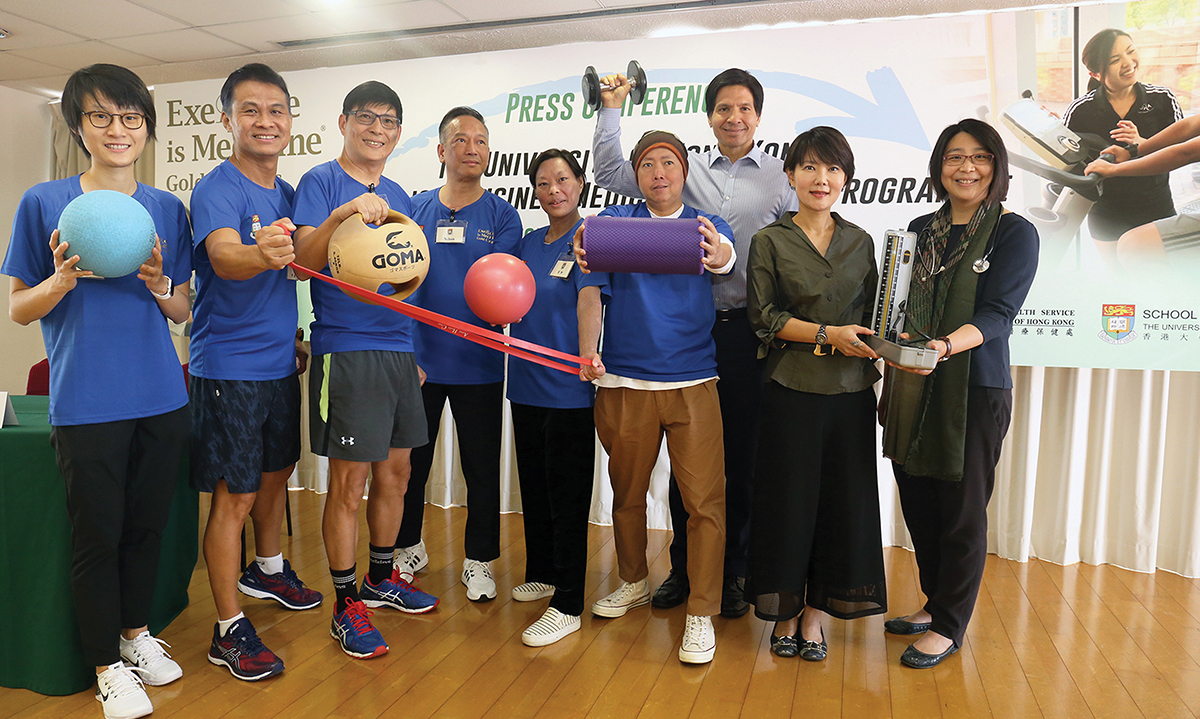
Cancer and Palliative Care Research TeamThis team's interdisciplinary and collaborative research aims to address critical challenges in cancer and palliative care, including symptom assessment, biological mechanisms for symptom management, psychosocial support for patients and caregivers, supportive care interventions, and ethical and legal considerations in advance directives and end-of-life decision-making. They aim to improve clinical practice, have global impact, and develop ethical and policy leadership through five areas of action:
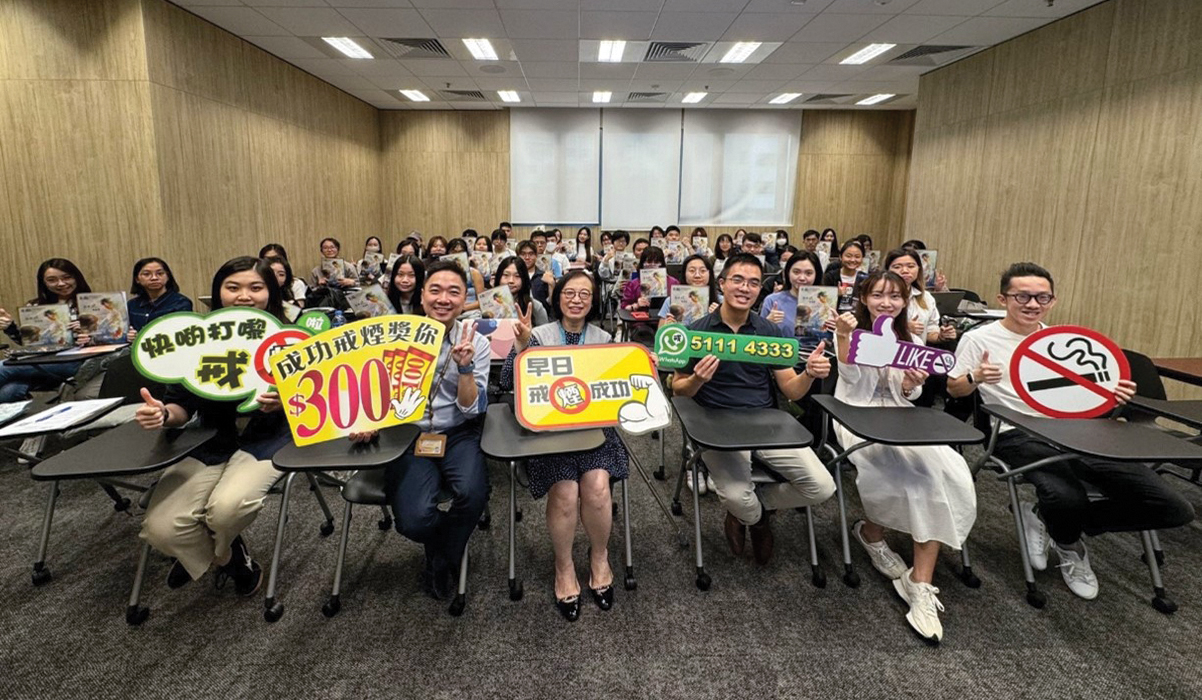
Smoking Cessation and Tobacco Control Research TeamThe HKU Smoking Cessation Research Team (HKU SCRT) is a well-recognised leader in research, education and service related to smoking cessation and tobacco control, whose work has helped to significantly shape the global, regional and local discourse in these areas.
|