
In the Media

Jockey Club Pathway to Healthy Ageing Symposium
The Jockey Club Pathway to Healthy Ageing Project, led by the School of Nursing and supported by The Hong Kong Jockey Club Charities Trust, held a Healthy Ageing Symposium on February 22 that attracted about 200 community and government representatives from the elderly services sector as well as health and social care practitioners, researchers and academic.
Professor Doris Yu Sau-fung, Chair of Research in the School and the Project’s principal investigator, presented the findings from a territory-wide functional assessment of older adults in Hong Kong. Additionally, Professor Yu, her research team and speakers from partnering NGOs also discussed the Project’s impact on older adults’ well-being.
The Project was launched in July 2021 by the School in collaboration with 14 elderly centres and it aims to optimise the functional abilities of older adults.
Professor Yu subsequently explained in a radio interview how the Project aligned with the WHO-ICOPE framework (World Health Organization’s Integrated Care for Older People), by incorporating a comprehensive functional assessment (covering physical, psychological, cognitive, metabolic vitality and sensory function), followed by a 12-week nurse-led critical care pathway. “We are delighted to see the significant improvements in functional domains for many older adults involved,” she said. The School has also launched a “Volunteer Captain Program” to train health coaches and social care workers in implementing the critical care pathway for healthy ageing.
(881903.com《同途有心人》– February 23, 2025)

The role of exercise in cancer treatment and recovery
A research team from the School of Nursing found positive outcomes in advanced lung cancer patients who regularly performed tai chi or aerobic exercise, including better sleep quality, mental health and physical function, and less fatigue compared to the control group. The four-year longitudinal study, conducted from 2018-22, also found that the one-year survival rates of patients also improved. Exercise proved to be more effective than medication in reducing fatigue among patients.
(Ming Pao – December 16, 2024, December 17, 2024)
Older adults benefit from brisk walking
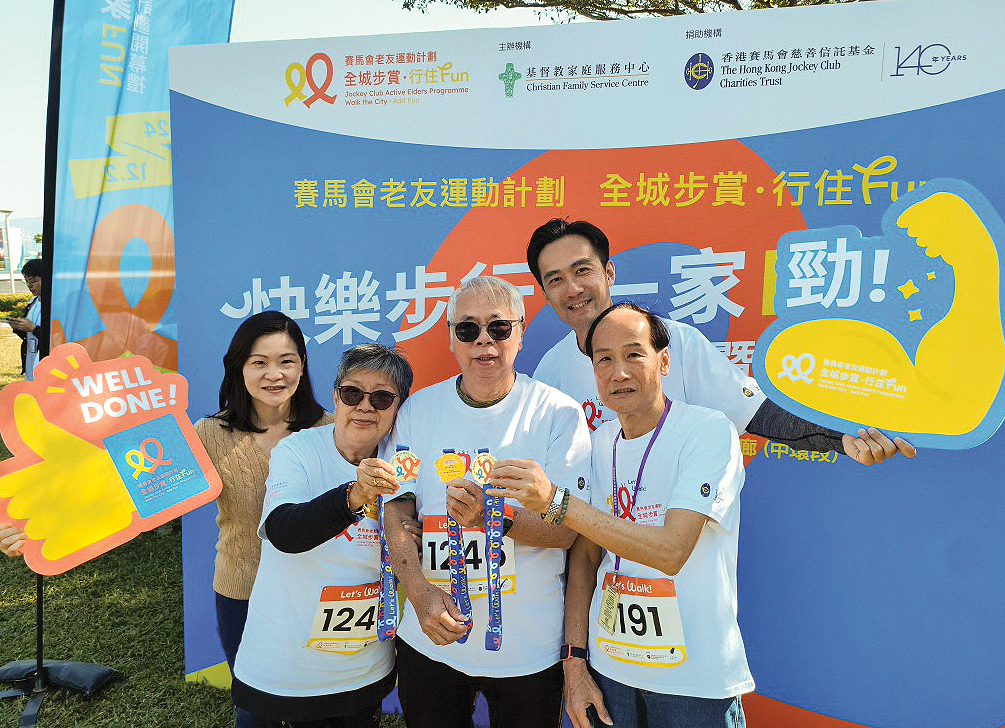
A study led by Professor Doris Yu Sau-fung for the Jockey Club Active Elders Programme has shown the physical and mental benefits experienced by older adults through participation in a brisk walking programme.
The study monitored 273 older individuals for six months and administered three assessments. About one-third of participants lived alone, with the majority aged between 70-79 years old, and half were widowed. Assessments were conducted before participation in the brisk walking programme, with follow-up assessments at three and six months afterwards.
“The results show significant improvements in overall physical strength and a reduction of symptom risk,” Professor Yu said. “For example, the fall risk decreased from 7% to 3%, while the risk of sarcopenia decreased from 39% to 29%. This was important because at the start of the programme, 40% of participants did not achieve the exercise level recommended by the World Health Organization. After the programme, though, that proportion decreased to 20%, with effects lasting up to six months.”
Moreover, while 62% of the participants initially reported having poor memory, this decreased to 47% after completing the brisk walking programme – a significant improvement.
Professor Yu also noted the social benefits, given there is concern that older adults may experience social isolation, especially those living alone or widowed. Through brisk walking, they can rebuild connections with peers, gradually reintegrating into the community. She hopes the positive outcomes from the study will be shared with other regions and that more institutions will be encouraged to join the initiative.
(singtao.com, hket.com, on.cc, hk01.com, Sing Pao – December 29, 2024)
Breastfeeding GPS by HKU School of Nursing
Support and resources for creating breastfeeding-friendly environments in Hong Kong have been increasing, but many mothers still feel the support is inadequate. In a radio interview, Professor Kris Lok Yuet-wan, Assistant Professor, encouraged mothers to proactively discuss their needs with their employers if they continue breastfeeding after returning to work.
“Our School has developed the “Breastfeeding GPS” mobile application which enables users to locate over 600 breastfeeding facilities and breastfeeding-friendly places in Hong Kong based on their needs and preferences.” The app also has added-value features, such as a “baby growth diary”.
Since its launch, the app has been downloaded over 15,000 times and is available for free. To ensure that mothers can breastfeed with peace of mind anywhere, the School continues to offer free training to companies and organisations to help them understand the needs of breastfeeding mothers and how to provide practical assistance.
To date, over 50 organisations have completed training to become breastfeeding-friendly places. The School also conducts free monthly online breastfeeding workshops, where nurses and internationally certified lactation consultants demonstrate correct techniques and share tips on preparing to return to the workforce. The workshops have had over 3,200 participants to date.
Professor Lok added, “We are delighted to support mothers every step of the way, from pregnancy to breastfeeding. We also call upon all audiences to join us in supporting mothers and families. Together, we can contribute to building a baby-friendly, breastfeeding-friendly community.”
(RTHK TV《香港家書》– January 18, 2025)

Support breast milk donation to help infants in need
Breastfeeding is crucial for infant health as it provides essential nutrients, boosts the immune system, and promotes physical and cognitive development. Yet, due to premature birth or medical reasons, some mothers are unable to provide sufficient breast milk for their babies.
This year, the HKSAR government established a breast milk bank, urging mothers to donate excess breast milk to help families in need. Professor Kris Lok Yuet-wan, Assistant Professor at HKU School of Nursing, welcomed this initiative and encouraged support from the community.
“Research conducted by The University of Hong Kong in 2022-2023 indicated that many mothers donated breast milk through social media groups. This kind of informal milk donation carries risks, including improper storage, contamination during transportation, disease transmission, or even misuse of donated breast milk. A formal milk bank helps reduce these risks by implementing various measurements, such as screening donors and sterilisation, to ensure the safety of the donated breast milk,” she said.
The School encourages all breastfeeding mothers to generously donate excess breast milk to help infants in need.
HKU School of Nursing 30 th Anniversary Series 1
(Oriental Daily News – May 3, 2025)
Groups call for government ban on flavoured cigarettes
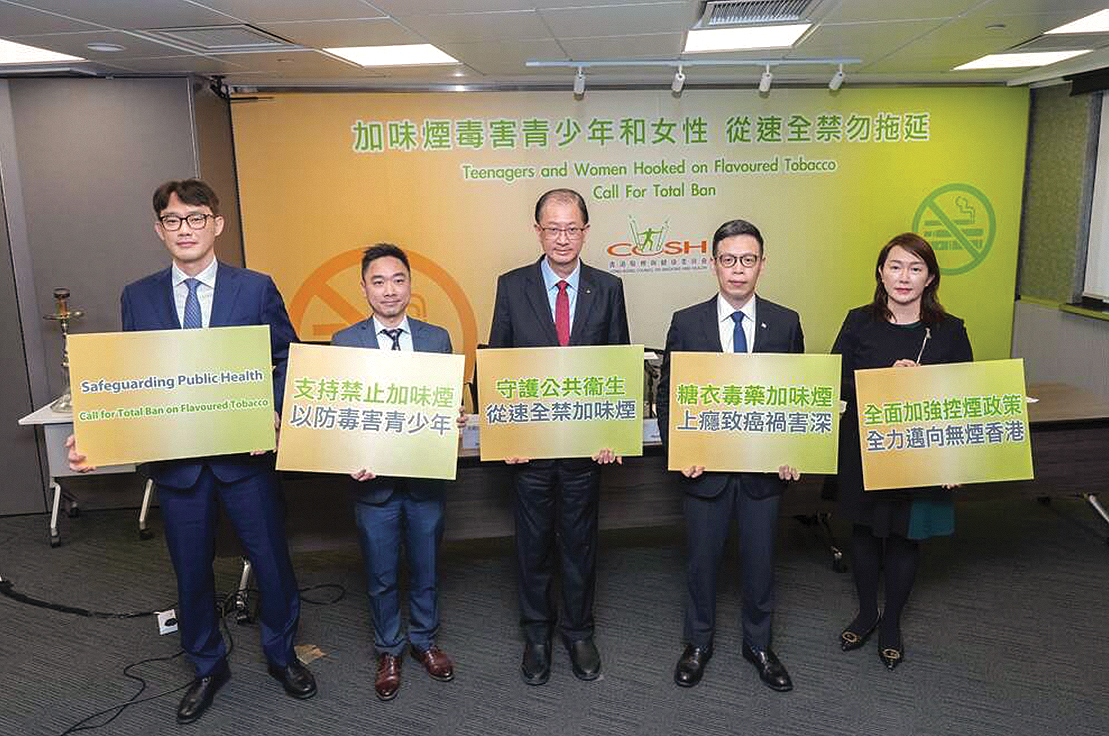
The Hong Kong Council on Smoking and Health (COSH) urged a government ban on flavoured cigarettes, following a survey reported by COSH member, Professor Kelvin Wang Man-ping, that showed nearly half of Hong Kong smokers are using flavoured cigarettes, with a higher proportion among women and teenagers. Professor Wang and his team conducted the survey on flavoured cigarettes between January and May 2024.
“The survey found an increase in the popularity of flavoured cigarettes among these groups. Some 46 percent of the interviewees were smokers and over 86 percent of female smokers aged 15 to 29 are using flavoured cigarettes, leading to greater addiction and difficulty in quitting. We also found that the addiction rate of teenagers who smoke flavoured cigarettes is more than double that of teenagers who smoke regular cigarettes,” Professor Wang said in a press briefing.
“The survey also indicated strong public support for banning flavoured cigarettes, with over 70 percent of respondents in favour of such legislation. There is an urgent need for legislation to completely ban flavoured cigarettes to safeguard public health.”
Professor Wang also addressed concerns about flavoured cigarettes in a separate TV feature with TBC News. “There is a misconception among many youngsters that smoking flavoured cigarettes will not have much impact on their health. They are deceived by the ‘sugar-coated trap’ of flavoured cigarettes. Adding flavourings to tobacco products masks their unpleasant smell and throat irritation, greatly increasing their appeal and addictiveness. This deception gives a false impression to the public that flavoured cigarettes are less harmful. But in fact, flavourings promote the body’s absorption of nicotine and enhance the effect of nicotine on the brain, encouraging smokers to consume more and for longer durations.”
To safeguard public health, implementing a ban on flavoured cigarettes is imperative and should be prioritised.
(The Standard, TVB.com, i-Cable, Now.com, RTHK English News, RTHK, 881903.com – January 22, 2025; SCMP, Ming Pao Daily News, Hong Kong Economic Journal, Sing Tao Daily, Sing Pao, am730, RTHK《自由風自由 PHONE》– January 23, 2025; TVB.com – January 31, 2025; SCMP – February 10, 2025; SCMP Young Post – February 17, 2025; TBC News – March 18, 2025)
Push for higher penalties on shisha smoking in Hong Kong
Shisha smoking typically occurs in a confined space, which puts smokers at risk of carbon monoxide poisoning, leading to subsequent memory loss and other sequelae. This has prompted calls to strengthen penalties on illegal smoking premises.
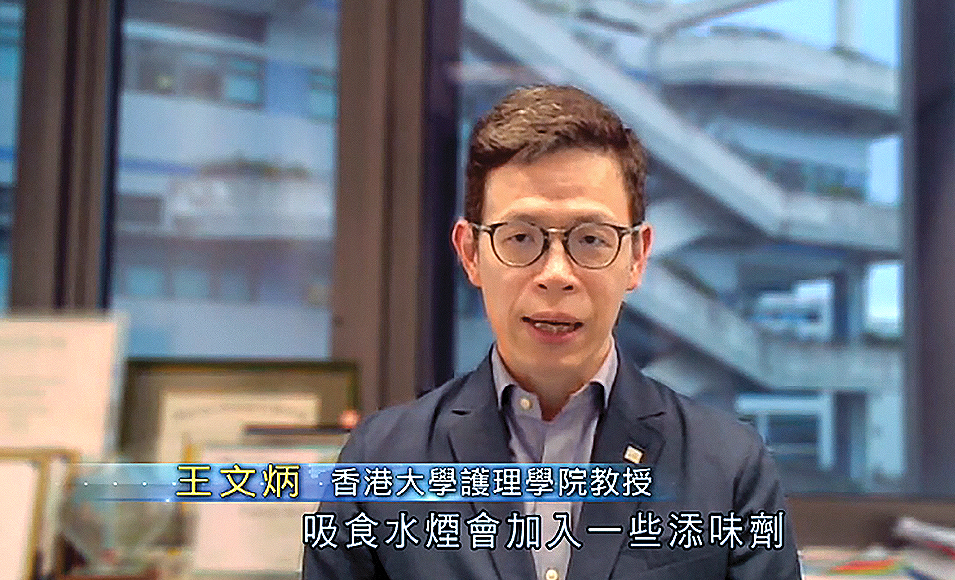
Despite indoor areas of bars being designated non-smoking, shisha smoking is still prevalent, said Professor Kelvin Wang Man-ping, who has also studied this phenomenon. “A study by The University of Hong Kong indicated that the rate of young smokers aged 25 or younger who have ever smoked shisha has increased to 45% from 2020 to 2022, up 9 percent compared with surveys in previous years,” he said.
“Smoking shisha often involves adding some flavouring agents that enhance the smoking experience, making the smoker feel the risk of harm is reduced. The fine for selling shisha is too low and should be increased.”
Professor Wang also recommended that authorities step up efforts to eliminate unlicensed smoking establishments in order to address public health concerns related to shisha smoking.
(TVB.com – November 26, 2024; TVB news – November 27, 2024)

Teens’ harmful use of e-cigarettes and etomidate abuse: policy effectiveness and outlook
The rise of alternative smoking products, such as e-cigarettes, over the past decade has raised public concern and prompted the Smoking Cessation Research Team at HKU to analyse local use of e-cigarettes and conduct epidemiological studies. The findings showed that e-cigarette use increased the risk of respiratory symptoms among adolescents (including both former smokers and never-smokers) from 39% to 106%. Moreover, e-cigarettes do not aid in smoking cessation but promote dual use with traditional cigarettes, leading to a more severe nicotine addiction, reducing willingness to quit smoking and diminishing attempts to quit. But those are not the only problems created.
Professor Derek Cheung Yee-tak said that e-cigarettes have also increasingly been used as a drug delivery “tool” in recent years. “Criminals have been adding etomidate (commonly known as 'space oil') to e-cigarette oil. Due to the simple ease of use and similarity in appearance between etomidate cartridges and regular e-cigarette cartridges, this has led to a new drug problem. Etomidate has become one of the most commonly abused drugs in Hong Kong,” he said.
Professor Cheung strongly endorsed government plans to further regulate and ban the consumption of e-cigarettes use in public area in Q2 of 2026 then extend that to private venues. The benefits are evident - following an initial ban in 2022, e-cigarette use among adolescents decreased in the immediate aftermath. “We strongly recommend closing the loophole of ‘ban on sale but not on consumption’ so that etomidate abuse can also be prevented and to safeguard public health,” he said.
HKU School of Nursing 30 th Anniversary Series 2
(Oriental Daily News – May 10, 2025)
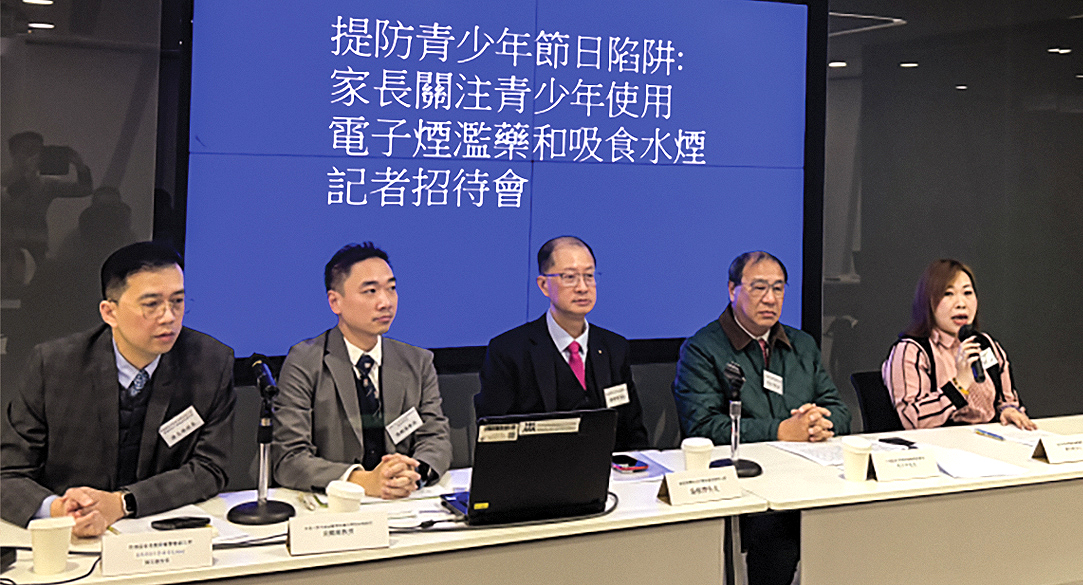
Government urged to expedite ban on possessing electronic cigarettes
Professor Derek Cheung Yee-tak, Assistant Professor in the School, expressed concerns about the increasing use of electronic cigarettes, drugs and shisha smoking among young individuals, reflecting concerns that also worry parents and educators.
“We urge the government to expedite the prohibition on possessing electronic cigarettes to safeguard the health of our youth, ideally by the first quarter of 2025,” Professor Cheung said at a December 2024 press conference. A key concern is that drugs are being mixed into the flavourings of electronic cigarettes, which are highly addictive and harmful to health.
In 2023, statistics showed that the e-cigarette smoking rate among secondary school students in Hong Kong reached 1.1%, significantly higher than the 0.2% among adults, indicating a greater appeal of electronic cigarettes to the younger population. “A health survey on primary and secondary students in Hong Kong also found that there is a strong smoking intention and nicotine addiction among adolescents who smoke electronic cigarettes,” he said.
Shisha smoke contains higher levels of nicotine, carbon monoxide, and carcinogens compared to traditional cigarettes, with second-hand shisha smoke containing nine times higher levels of carbon monoxide and 30 times higher levels of carcinogens than traditional second-hand cigarette smoke, leading to potential long-term neurological effects. As students are influenced by family and peer pressure, Professor Cheung recommended enhancing educational efforts within schools as they play a significant role in shaping students’ behaviours and choices.
Several months after these comments, in April 2025, the government announced plans to ban smoking and possession of e-cigarettes starting from the second quarter of 2026, with the aim of eventually enforcing a total ban on all cigarettes-related products, including in private venues. Professor Cheung strongly welcomed this initiative.
“Laboratory studies have showed that not only traditional cigarettes, but also e-cigarettes, shisha, flavoured cigarettes and similar products contain cancer-causing agents, posing significant health risks. We agree with the government to implement policies to prohibit these products, in both public and private places, as second-hand smoke is also a risk public health,” he said.
Professor Cheung added, “There is a need to correct public misconceptions promoted by advertisements. We should emphasise that flavoured cigarettes are not healthier.” Professor Cheung and other anti-smoking groups support legislation to increase penalties for illegal cigarette importation and efforts to expand no-smoking zones.
(hk.on.cc, hkcd.com.hk – December 14, 2024; Hong Kong Commercial Daily, Sing Pao – December 15, 2024; RTHK Backchat – April 7, 2025)

Who pays for smoking-related harm?
Professor Kelvin Wang Man-ping also welcomed the long-awaited Tobacco Control Legislation (Amendment) Bill 2025 in newspaper feature, after the bill was submitted to the Legislative Council for the first and second readings. But he expressed concerns about criticisms over the cost of control.
“We have heard some opponents suggesting that someone should bear the costs while we strengthen tobacco control. These concerns focus on the economic benefits, such as the tobacco tax that the government can collect or the potential impact of smoking bans on tourism and catering revenues,” he said. “[But] the primary goal of tobacco control is to protect public health, which serves the greatest interest of society. The smoking-related harm includes significant public medical expenses. If we delay the tobacco control legislation, the public will have to pay the heavy medical costs, and citizens will also pay the high price of their health.”
In fact, a total ban on smoking can help prevent the younger generation from smoking, which would benefit society as a whole. The results of surveys showing that e-cigarettes are quite popular among young people in Hong Kong is worrying, he said. The government should firmly implement comprehensive tobacco control policies to safeguard the invaluable health of citizens.
(Hong Kong Economic Journal, HKEJ.com – May 9, 2025)
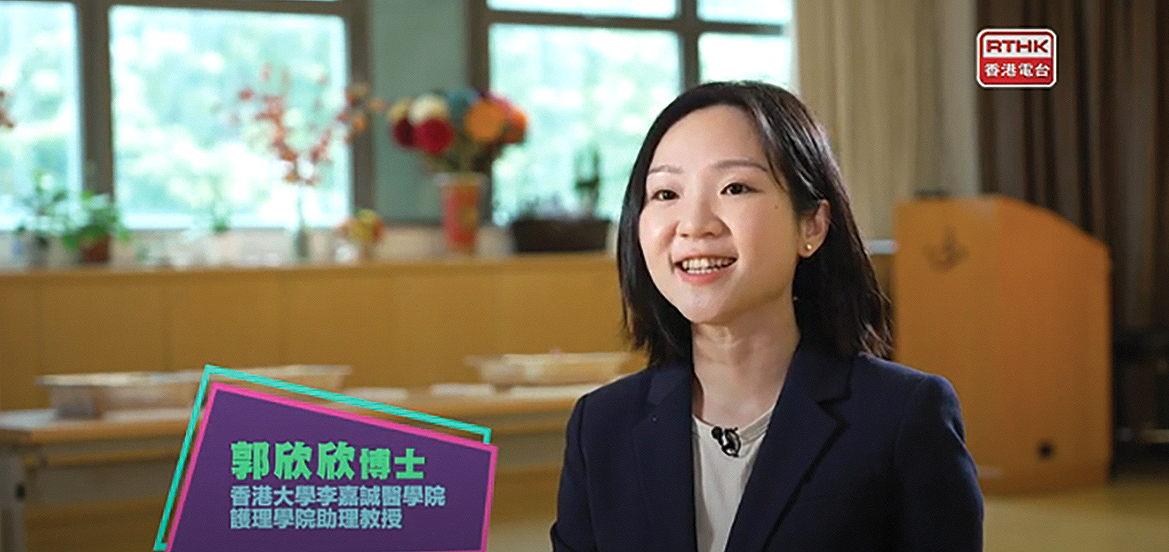
Enhancing wellbeing for Parkinson's patients through mind-body therapies
Parkinson's disease is the second most common neurological disorder in Hong Kong after Alzheimer's disease and affects around 12,000 patients and Professor Jojo Kwok Yan-yan has also been encouraging Parkinson’s disease patients to engage in more physical and mental health activities to help them manage their disease.
“By participating in courses such as mindful yoga and Expressive Arts Therapy, Parkinson’s disease patients can learn how to adjust their body and mind and manage emotions and stress. Mood is strongly linked to motor skills performance. Mindful yoga incorporates breathing, positive meditation and physical activities, which can help Parkinson’s disease patients better manage their symptoms,” she said.
“These therapies assist patients to explore their bodies, establish a mind-body connection, and improve self-awareness and emotional cognition, so they can better cope with stress and emotional distress in a positive way,” she added. Staying active is the key in the treatment journey and Parkinson’s disease patients should practice according to their individual needs, without feeling pressured.
(RTHK《醫生與你》, Sunday Kiss – April 23, 2025)
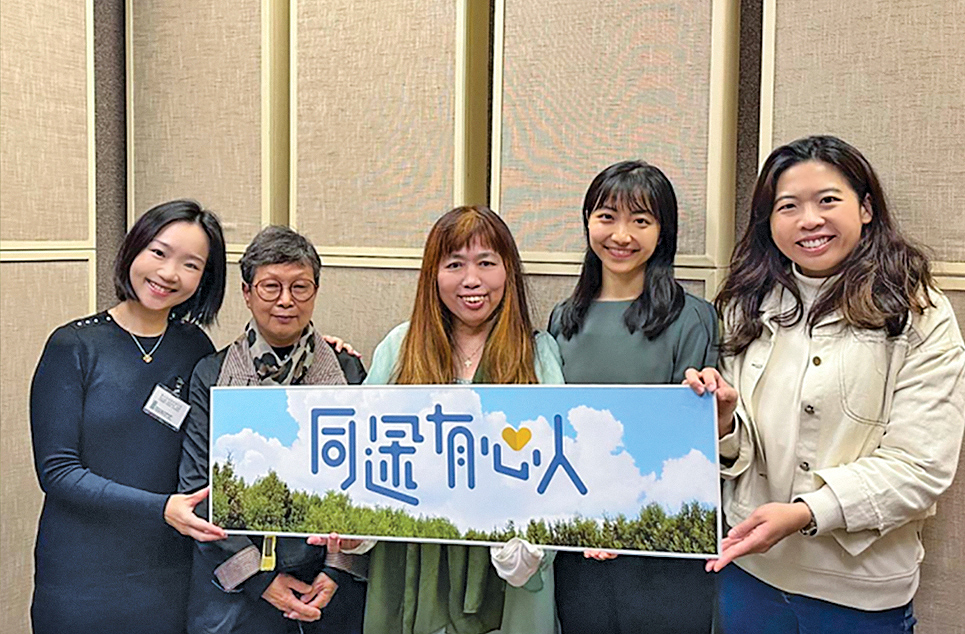
Movin’ Care for Parkinson’s Disease Project
The Jockey Club Movin’ Care for Parkinson's Disease Project, launched last year, has been providing a comprehensive and sustainable community care service model for disease-related communities.
Funded by the Hong Kong Jockey Club Charities Trust and co-organised by HKU’s School of Nursing and Centre of Behavioural Health and the Hong Kong Society for Rehabilitation, the project aims to promote early diagnosis of the disease to ensure that rehabilitation support and early care are provided promptly, and to create a more supportive environment for those affected by the disease.
Professor Jojo Kwok Yan-yan, Assistant Professor in the School and Associate Director of HKU’s Centre on Behavioral Health (CBH), has been closely involved in the project.
“We have enhanced community care support by educating individuals on how to identify pre-motor symptoms of Parkinson’s Disease, such as sleep disturbances, constipation, loss of smell and depression, and providing community-based support. Early diagnosis enables patients to access relevant treatment and care promptly. We are also promoting early attention to disease risks, early diagnosis and rehabilitation support, and early care of physical and mental health while encouraging broader societal involvement in supporting care for patients with Parkinson’s disease,” Professor Kwok told 881903.com《同途有心人》.
“Through community rehabilitation support services, patients receive personalised service, while patients and their carers benefit from comprehensive community care support, and this improves their physical, mental, social and spiritual health. We are committed to fostering community engagement to raise awareness of Parkinson’s disease within the community.”
The project also recently released a promotional video to raise public awareness of Parkinson’s disease, which is characterised by motor symptoms such as tremors, slowness and shuffling gait. While older people have a higher chance of developing Parkinson's disease, it is also possible for younger individuals to be affected.
Professor Kwok was interviewed about the video by am730 and said: “It is important to enhance community care and support for Parkinson’s disease patients and their families. We encourage the public to be more understanding and empathetic when encountering individuals who exhibit slow movements in their daily lives, as they may have Parkinson's disease. This not only helps dispel misconceptions about Parkinson's disease but also fosters a more inclusive and friendly society.”
(881903.com《同途有心人》– February 2, 2025; am730 – February 17, 2025)

Mindfulness care to help Parkinson’s patients regain balance
Professor Jojo Kwok Yan-yan has also conducted a study on the benefits of mindfulness on mobility among Parkinson’s disease patients.
These patients often face mobility challenges and emotional difficulties such as anxiety and depression, which significantly impact their quality of life. Holistic care advocates comprehensive support encompassing physical and psychological aspects to help patients restore balance and harmony between body and mind. This includes mindfulness practices such as meditation and yoga, which have become important auxiliary methods in recent years.
Professor Kwok’s study of 159 patients with Parkinson’s disease found they experienced significant improvements in their walking and standing abilities after 8 weeks of mindfulness training. Anxiety and depression were also significantly alleviated. Meditation was shown to have a sustained effect in reducing depression for up to six months, while yoga helped improve flexibility, making patients’ daily tasks easier.
Mindfulness practice also significantly reduced the inflammatory marker interleukin-6 (IL-6) in patients. The reduction of inflammatory response may help slow the progression of Parkinson's disease and provide patients with both physical and psychological support.
With support from the University Grants Committee, the School of Nursing has launched a mindfulness programme for both patients and their caregivers, aiming to improve physical and mental health and strengthen emotional connections. The research team will investigate the impact of mindfulness on the intestinal microbiome, elucidating the relationship between intestinal health and the progression of Parkinson's disease, and identifying potential treatment options.
HKU School of Nursing 30 th Anniversary Series 7
(Oriental Daily News – June 14, 2025)
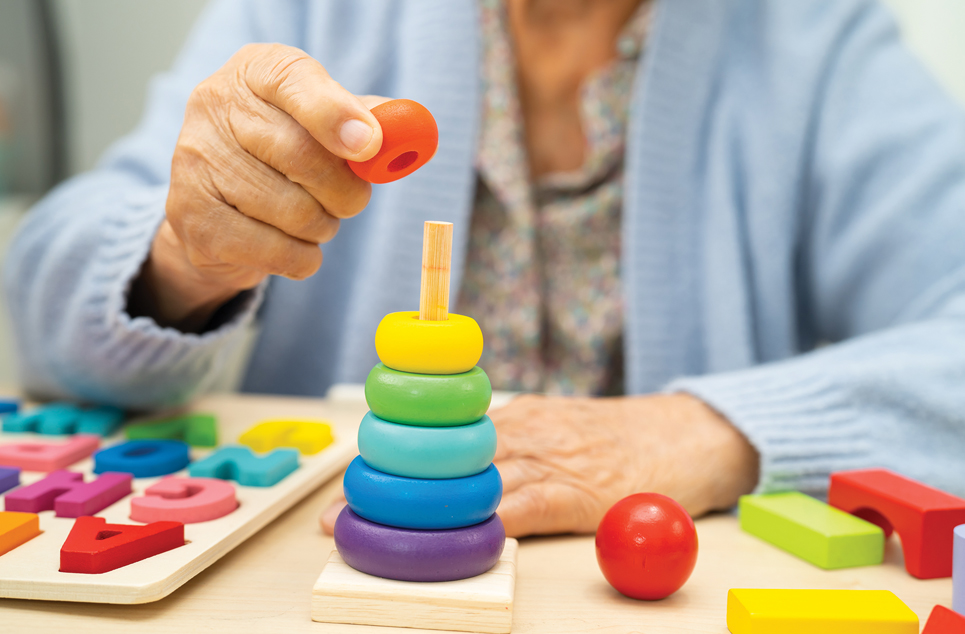
Understanding cancer-related cognitive impairment
Cognitive impairment is a common symptom among cancer patients, with over 80% experiencing persistent cognitive difficulties during their recovery journey. These symptoms include memory loss, difficulty concentrating, challenges in performing familiar tasks, and subjective cognitive complaints.
Drug therapy has shown limited effectiveness for managing cancer-related cognitive impairment. But Professor Chia-Chin Lin, Director of the School of Nursing, and Professor Benjamin Mu-hsing Ho, Assistant Professor, showed that recent research confirms the effectiveness of several non-pharmacological interventions in helping adult patients. These interventions include cognitive training, cognitive rehabilitation, meditation, exercise, cognitive behavioural therapy, supportive therapy, and traditional Chinese medicine.
For optimal outcomes, a multidisciplinary approach is essential. This involves collaboration among psychological, rehabilitation and nutritional specialists to ensure that patients receive comprehensive care for both their physical and psychological well-being. Such an integrated strategy not only helps slow down cognitive decline but also supports patients in adapting to daily life challenges.
HKU School of Nursing 30 th Anniversary Series 3
(Oriental Daily News – May 17, 2025)
Palliative care for patients with dementia
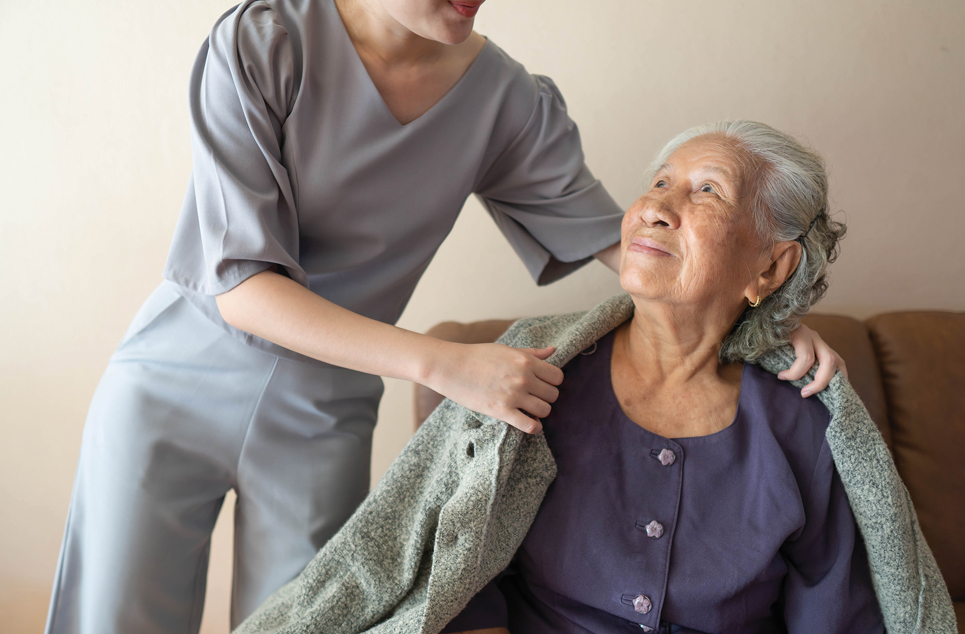
Palliative care, also known as hospice care, is a holistic approach designed to support patients with serious illnesses and their families. It aims to reduce suffering and improve quality of life by addressing physical, psychological, social, and spiritual needs at an early stage. A professional team including doctors, nurses, physiotherapists, occupational therapists, social workers, and other professionals provides support to cancer patients and their families through their cancer journey.
Palliative care should begin early in the course of cancer diagnosis and continue until the completion of treatment or the end-of-life stage. However, Dr Zhong Jie, Research Assistant Professor in the School, noted that cultural attitudes should also be addressed. “In Chinese society, many people view palliative care as giving up on treatment or even on life itself. Yet, patients in the late stage of cognitive impairment often lose the ability to express their needs or make decisions, making it challenging for caregivers to recognise their symptoms and provide appropriate care. Therefore, it is essential to raise the public awareness about the importance of palliative care for patients with late-stage cognitive impairment. Doing so can not only reduce patients’ suffering but also alleviate the burden on families, helping patients to feel supported and receive the best care throughout the caregiving journey.”
HKU School of Nursing 30 th Anniversary Series 4
(Oriental Daily News – May 24, 2025)
Pre-diabetes: A golden opportunity to prevent diabetes
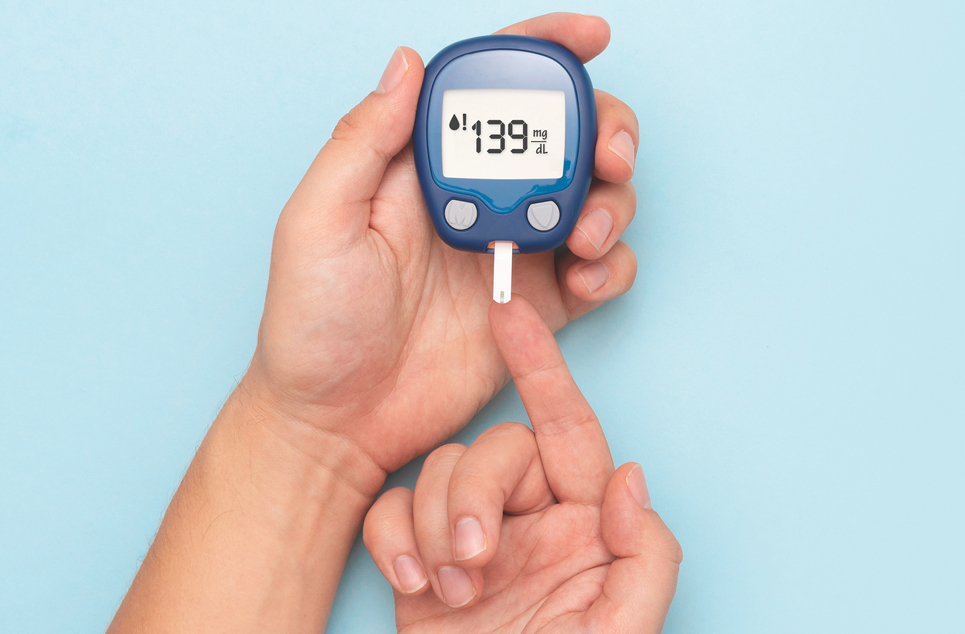
A research team from the HKU School of Nursing has helped hundreds of individuals with pre-diabetes to receive preventative treatment through the Jockey Club Community Diabetes Prevention Project.
Launched in 2019, the Project targets individuals who are overweight or in a pre-diabetic stage. Participants are provided with essential knowledge on preventing diabetes through group education, personalised nutrition counselling, a mobile app, and online courses, enabling them to establish a healthy lifestyle and maintain a healthy weight, thereby delaying or preventing diabetes.
Professor Mandy Ho Man, Associate Professor in the School, said that since 2022, more than 1,500 individuals with pre-diabetes have completed the intervention, and around 20-30% of participants have not only successfully reversed their pre-diabetic condition with normal blood glucose level, but improved blood pressure and cholesterol levels.
Research has shown that individuals with obesity who lose at least 5% of their body weight and engage in at least 150 minutes of moderate-intensity exercise per week can improve their blood sugar, blood pressure, and cholesterol levels, as well as key factors associated with reversing prediabetes. The results confirm that pre-diabetes presents a golden opportunity to prevent both diabetes and cardiovascular diseases through weight loss and lifestyle modifications.
HKU School of Nursing 30 th Anniversary Series 5
(Oriental Daily News – May 31, 2025)

Protecting children from second-hand smoke
Dr Lubecca Zhao Shengzhi, Research Assistant Professor in the School, has raised concerns that despite increasingly stringent tobacco control policies in Hong Kong, children continue to face the harmful effects of second-hand smoke.
Emissions from traditional cigarettes and e-cigarettes release hazardous substances, including nicotine and formaldehyde. As children’s respiratory and neurological systems are still in the developing stage, long-term exposure to second-hand smoke will increase their risk of asthma, bronchitis, pneumonia, attention deficits, learning difficulties and behaviour problems, and may even cause sudden death in infants.
The best option to protect children from second-hand smoke is to quit smoking. Families are encouraged to seek cessation support. If immediate cessation is not possible, they should avoid smoking indoors or in cars, change clothes and wash their hands after smoking to minimise harm caused by residual smoke. In addition, they should try to avoid smoking hotspots, such as bars.
HKUMed has launched the “Quit for Kids” research programme, which aims to help families quit smoking through scientific strategies to reduce children’s exposure to second-hand smoke, creating a save and smoke-free family and community.
HKU School of Nursing 30 th Anniversary Series 6
(Oriental Daily News – June 7, 2025)

Supporting the caregivers: Mental health matters
Family caregivers play a vital role in the recovery journey of stroke patients, providing ongoing physical, emotional, and medical support. The weight of these responsibilities can lead to chronic stress, social isolation, financial strain, and a decline in the caregiver’s own health. Many caregivers suffer from sleep deprivation and neglect their own well-being, which can affect the quality of care and worsen the patient’s condition—creating a vicious cycle.
Cognitive Behavioural Therapy (CBT) has been shown to help caregivers manage “catastrophic thinking” and improve their stress tolerance. Professor Jay Lee Jung-jae, Assistant Professor in the School, explained in a newspaper article that behavioural activation can encourage caregivers to incorporate self-care into their daily life, reducing the risk of burnout. Also, peer support groups can help caregivers connect with others in similar situations, easing feelings of isolation.
The School has contributed to caregiver support through its personalised CBT support programme, which disseminates supportive messages through WhatsApp. A total of 256 stroke caregivers took part in the programme and reported significant reductions in depression, anxiety, and stress levels—demonstrating the effectiveness of digital psychological interventions in enhancing caregivers' mental well-being.
Supporting caregivers’ mental health is essential not only to strengthen their personal resilience but also to enhance patient recovery and improve the overall quality of life for both caregivers and patients.
HKU School of Nursing 30 th Anniversary Series 8
(Oriental Daily News – June 21, 2025)