

Teaching and Learning
Training for the Future: Primary Healthcare
Professor Mandy Ho Man (Left)
|
Associate Professor and Programme Director, Master of Nursing
Dr Polly Chan Siu-ling (Right)
|
Senior Lecturer and Programme Director, Bachelor of Nursing (Part-time) for RN
Leaders and professionals in primary healthcare (PHC) are being trained up to help meet Hong Kong’s needs in this dynamic area of care.
The government has prioritised PHC with the opening of District Health Centres (DHC) and DHC Express and the unveiling of the Primary Healthcare Blueprint in December 2022. The aim is to improve this provision within the Hong Kong healthcare system.
The School has responded by refining and upgrading PHC in the Bachelor of Nursing (BNurs) and Master of Nursing (MNurs) programmes.
The BNurs now includes a minimum 60 hours of PHC practicum to ensure students have extensive exposure to community-based settings and align with the updated requirements of the Nursing Council of Hong Kong.
This exposure is grounded in the principles of accessibility, equity and patient-centred care, and it is introduced at the foundational stage through such courses as Getting into Nursing, and Health Promotion and Education. Students explore topics that give them a solid theoretical understanding of PHC, including the social determinants of health, health literacy, and the nurse’s role as an advocate.
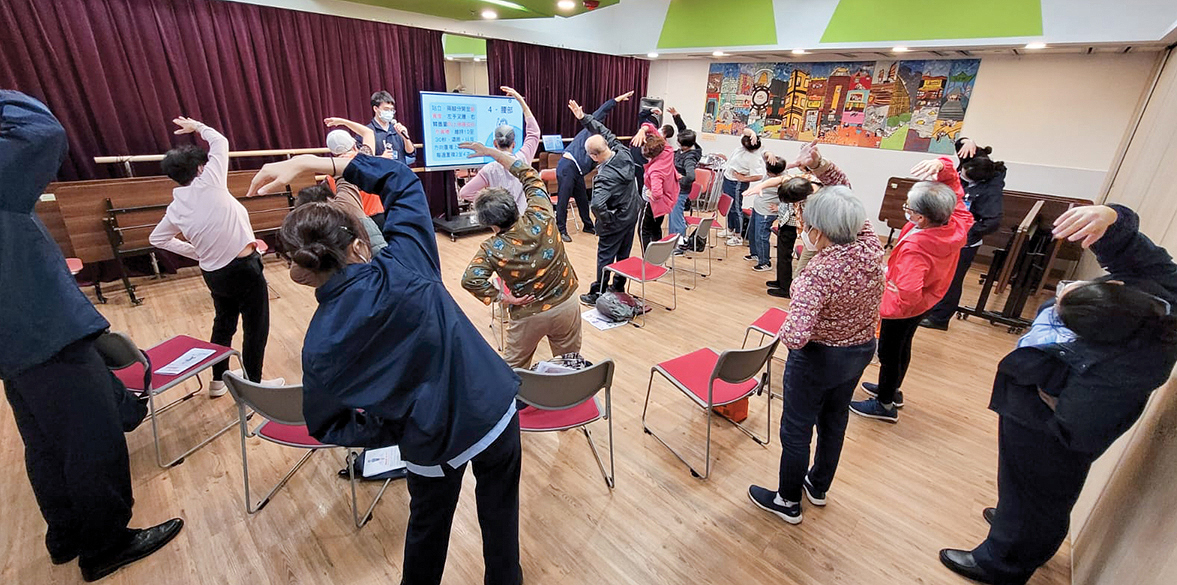
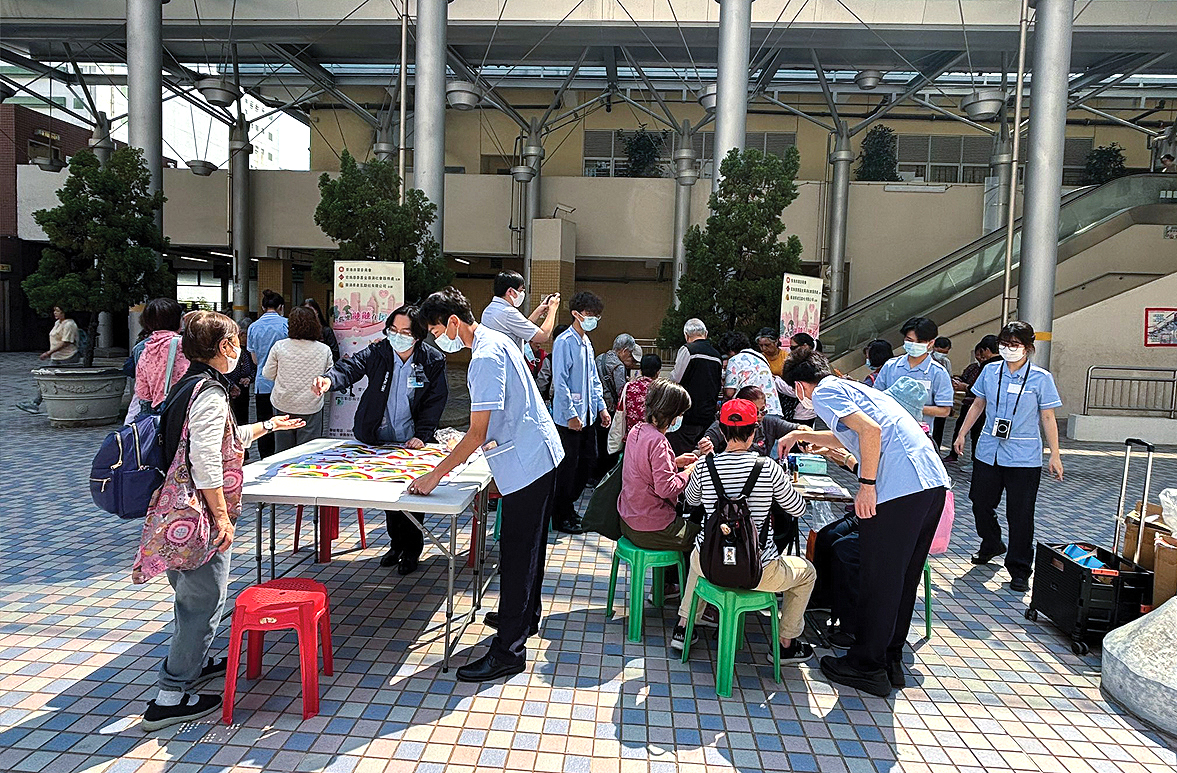
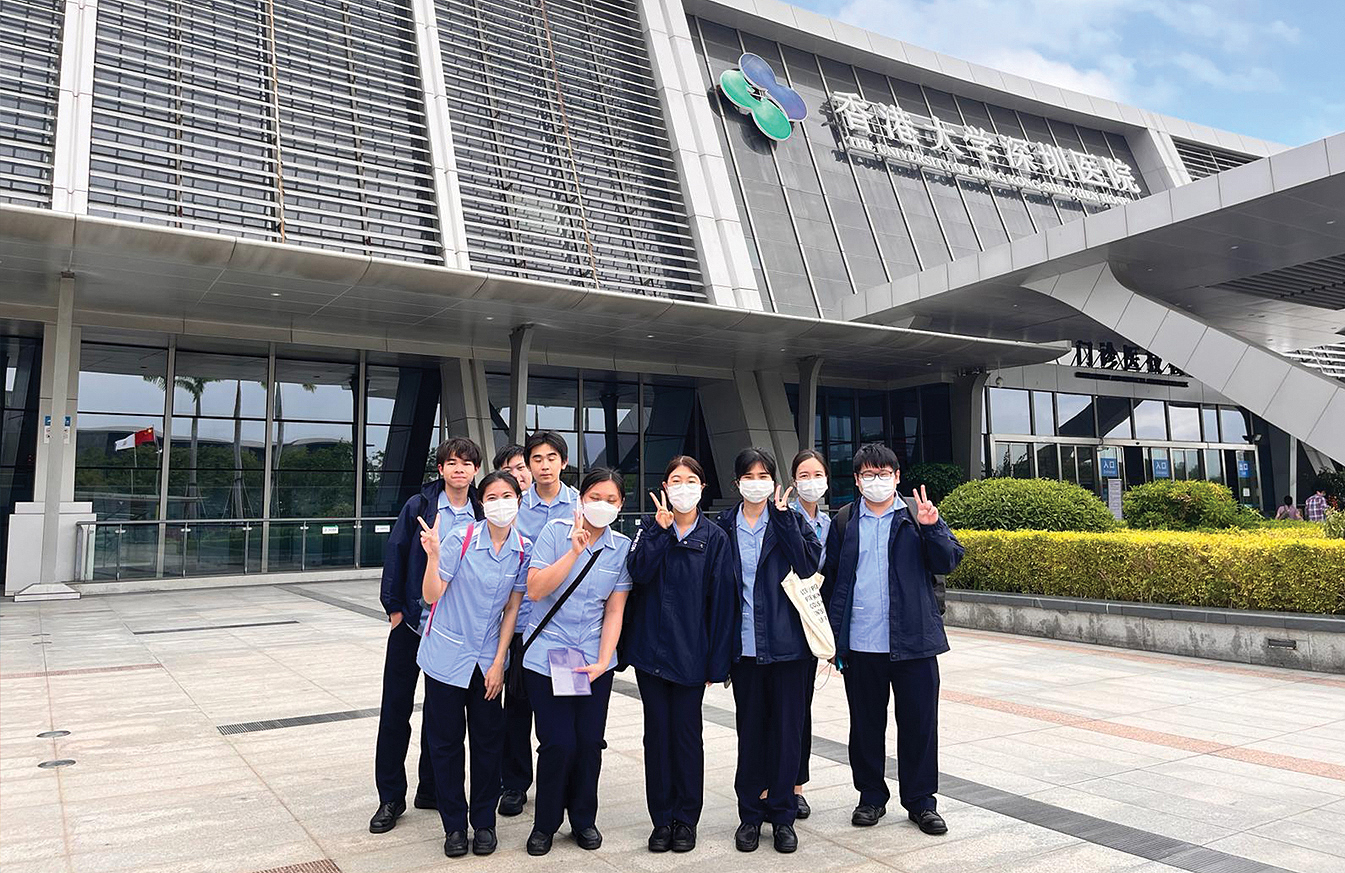
Students then progress to applying and refining learned skills before engaging in a structured PHC practicum at a diversity of sites, including non-governmental organisations, DHCs and the Health Centre at HKU-Shenzhen Hospital, that involve students in conducting health assessments in clients’ homes and delivering smoking cessation counselling and other health promotion activities. The practicum is a key component of clinical training because the community experience enriches students’ exposure beyond hospital-based acute care. Students are subject to continuous assessment to ensure they develop the clinical knowledge, problem-solving abilities and professional attitudes that are essential to effective nursing care in community contexts.
The MNurs programme, meanwhile, offers a Primary Healthcare and Public Health Nursing track (previously called Community and Public Health Nursing) to equip Registered Nurses with the knowledge, skills and core competencies required for advanced and leadership roles in PHC.
The curriculum blends theoretical knowledge with practical application. Students take specialty courses on assessing population needs, designing and implementing health promotion and preventive interventions for diverse populations, managing chronic diseases, co-ordinating complex cases, and making advanced clinical decisions in community settings. Their training includes a solid foundation in research methods and translational nursing research, and they learn how to discern disease patterns and apply evidence-based approaches to improve individual and population health outcomes. Students also receive training in leadership development and healthcare systems and policy. Their capstone experience brings them into the community with a clinical practicum at a DHC, DHC Express or General Outpatient Clinic.
Both programmes produce graduates who can fulfil the demand for trained professionals and leaders in Hong Kong’s evolving PHC system, and provide holistic, evidence-based care that has a positive impact on the health and well-being of individuals and communities.