

Clinical Excellence
Doing Triple Time
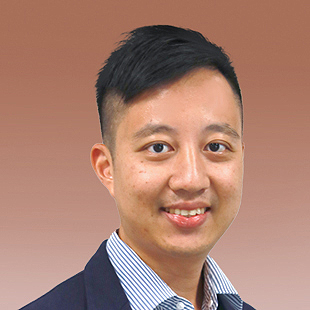
Mr Anthony Chan Kin-hei |Lecturer and Associate Programme Director, Master of Nursing
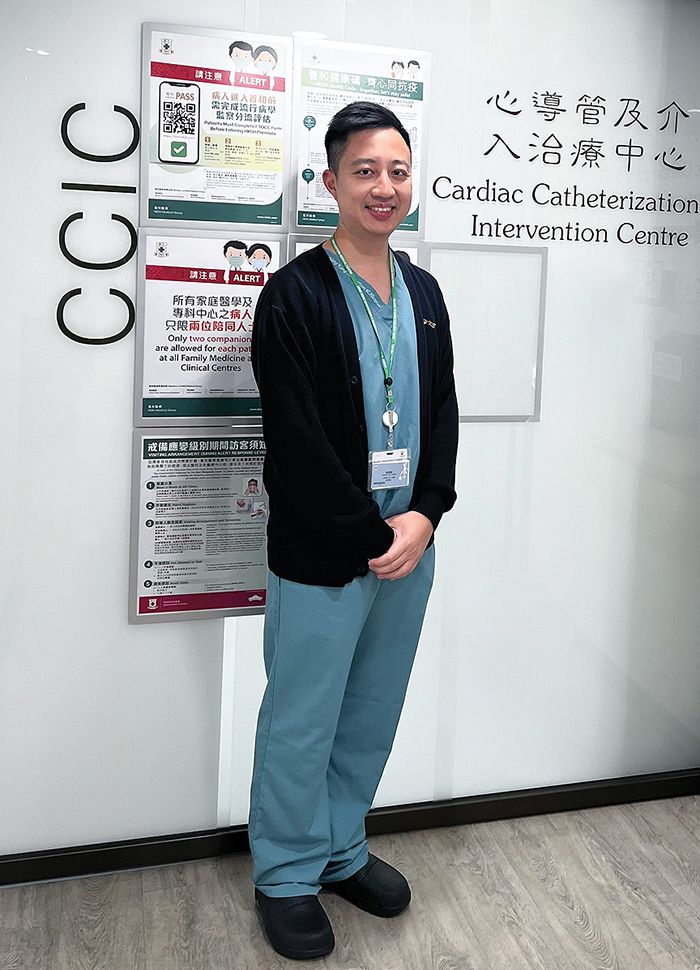
Anthony Chan Kin-hei has a packed schedule. As a lecturer in the School of Nursing, he recently became the first joint appointee at the Hong Kong Sanatorium and Hospital, while also pursuing a doctoral degree. In taking on these three roles, his ambitions are clear: he wants to advance critical thinking in the hospital setting and the classroom and encourage everyone to question whether they are guided by evidence or old assumptions. He also hopes to advance his capabilities as a nursing leader.
I joined the School of Nursing two years ago because I have a passion for teaching. As a cardiac nurse, I especially enjoy sharing my specialty skills and experience with postgraduate students – I am also Associate Programme Director of the Master of Nursing. By now stretching into other directions, I believe I can expand my impacts on students and patients.
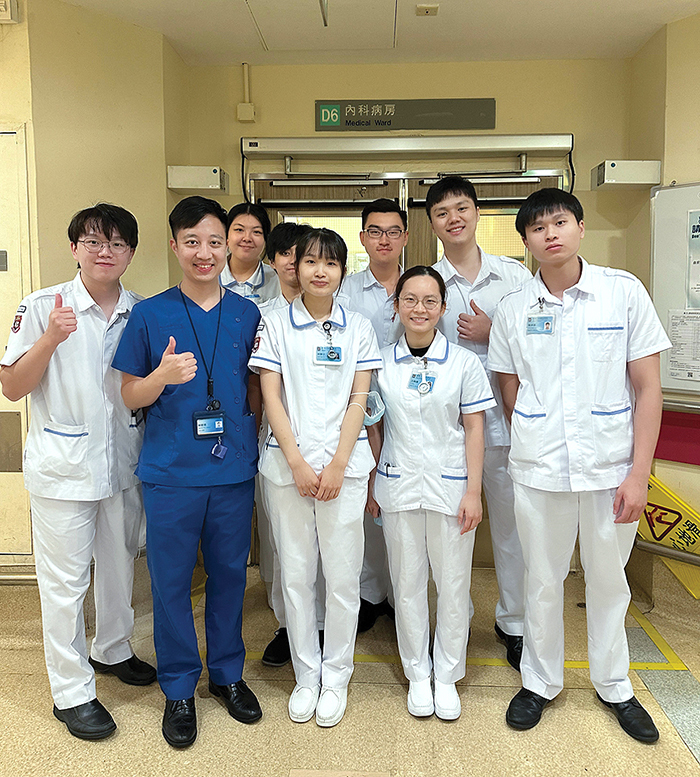
As the first joint appointment at the Hong Kong Sanatorium and Hospital, I am pleased to be able to practice my clinical skills in a private hospital setting and to bring students there, too. Before joining HKU, I was an Advanced Practice Nurse in public hospitals, so this exposure to the private setting will enrich my experience. The most important thing, though, is that I am able to combine teaching and clinical practice and encourage everyone to focus on bringing evidence into practice.
Clinicians rely on experience but that means they can sometimes be keen to keep doing the same things and may be reluctant to adopt new techniques and technology. Students may also limit their learning if they do not critically question what they are taught. My aim is to bring evidence from academia into the clinic and the classroom, so I can show how to better benefit patients and clinical services.
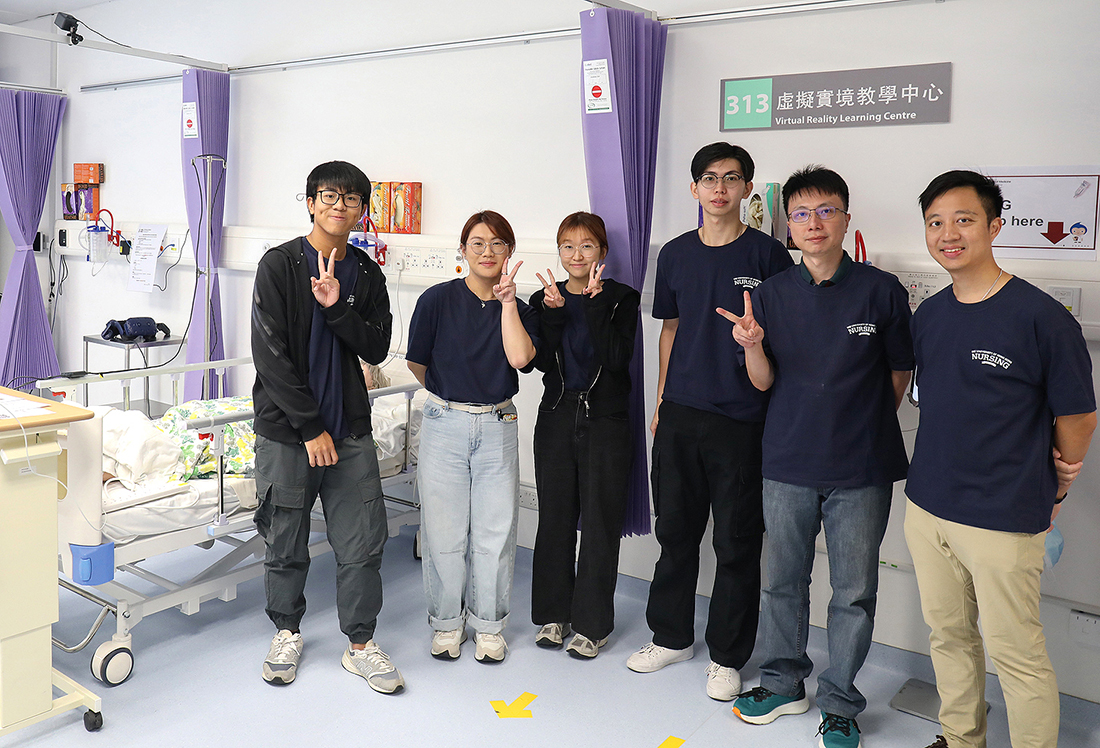
Fostering critical thinking is crucial to that goal. For instance, when I mentor junior nurses in the clinical setting and students in the classroom, I encourage them to develop sound clinical reasoning and effective problem-solving skills and to practice continuous learning. The latter is very important to the advancement of evidence-based practice. I also design postgraduate teaching modules that use simulations to prompt critical thinking and communication and leadership skills. Students must make decisions based on the evidence in front of them, not habits or beliefs. This is how we can nurture skilled clinicians who are also visionary change agents.
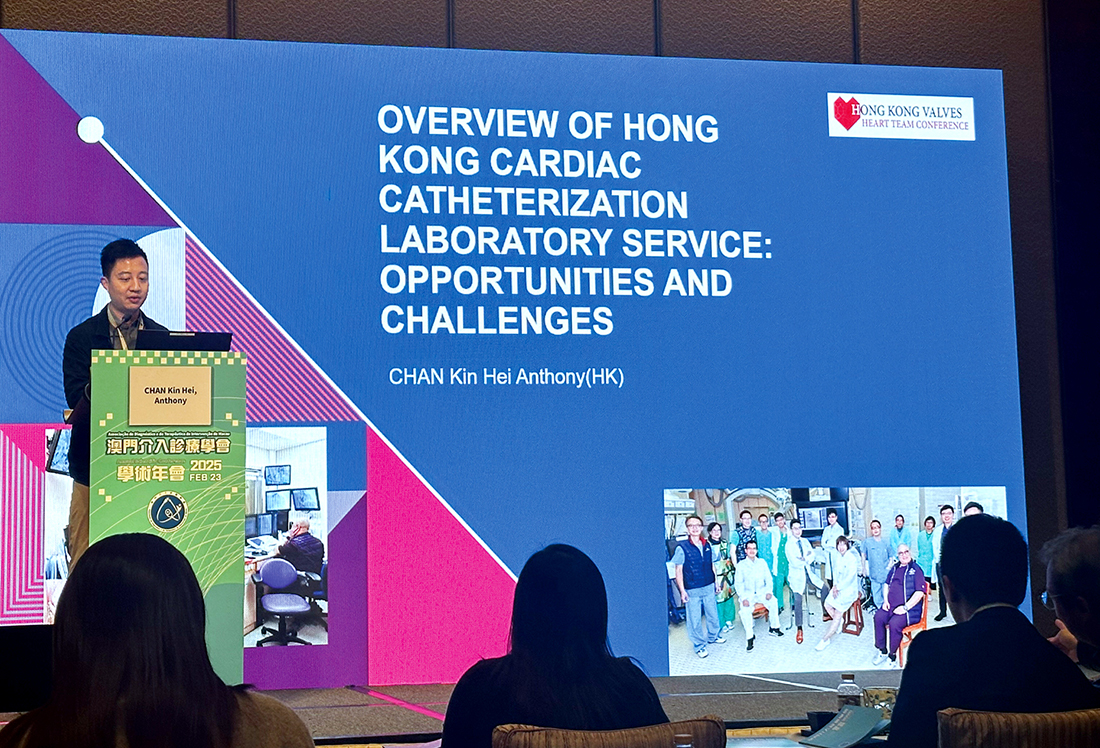
My doctoral studies also have a role to play in advancing teaching and research. DNurs candidates are trained in preparing high-quality courses and assessments and understanding the bigger picture of healthcare policy and advocacy. My research thesis on cardiac nursing will also highlight how to implement beneficial evidence-based interventions that improve patient outcomes and streamline care processes – for instance, by showing that nurses’ insights about barriers and bottlenecks in the system can play an important role in achieving high-quality healthcare. I have already started to share some of my findings, winning the Best Poster Presentation Award at the 2025 Hospital Authority Convention on the topic “A service evaluation study to evaluate the impact of Chest Pain Clinic”.
The future in nursing is bright and I am very excited to be taking on the triple challenge of being a lecturer, clinician and DNurs candidate all at the same time. I feel this will prepare me to become a future leader in healthcare and contribute to organisational excellence.